



G Test Ontario 2025 What Included and How to Pass

Ultimate Drivers
October 30, 2025


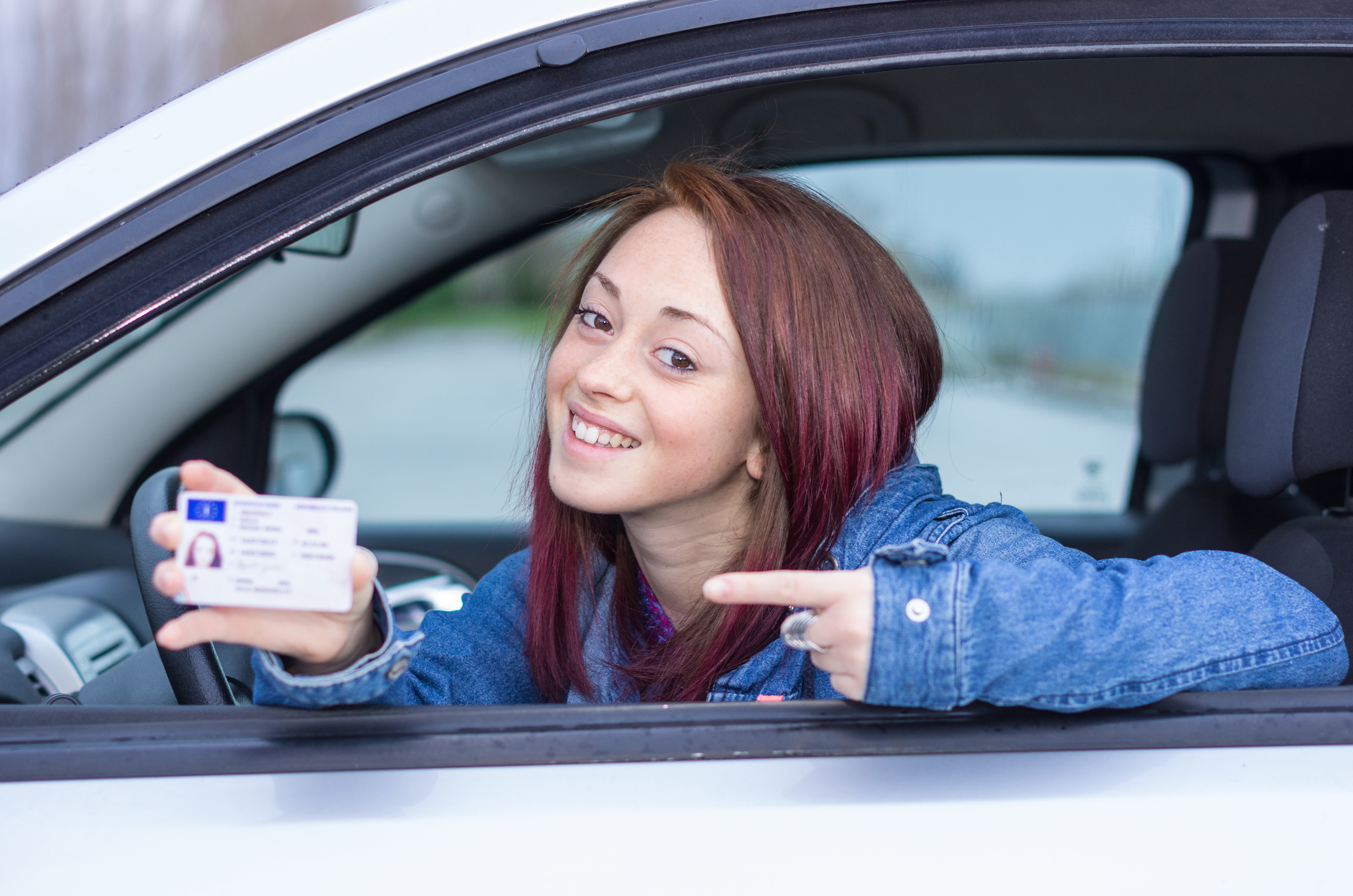
- • You must already hold your G2 licence and have driven for at least 12 months on it.
- • You’ll need to have drifted enough highway experience: the test centre will ask you to sign a “Declaration of Highway Driving Experience” form, declaring how many times in the past 3 months you drove on a highway (80 km/h + or a 400-series).
- • You book the G-Test through Drive Test (online, phone or in-person).
- • The test is typically about 30 minutes long (plus check-in, vehicle check, etc).
- • You will be assessed on advanced driving skills, especially highway driving, merging, lane changes, driving on multi-lane roads.
- • Some lower-speed manoeuvres (in some centres, temporarily) may not be required (due to changes) — for instance, parallel parking, three-point turns, driving in residential neighbourhoods might be omitted.
- • You’ll need to bring a vehicle in good working condition: proper insurance, registration, signals, brakes, etc. If the vehicle is unsafe, the test may be cancelled.
- • During the test, you’ll be evaluated for:
- o proper mirror/blind-spot checks
- o signal use
- o lane discipline (especially on highways)
- o appropriate speed and following distance
- o negotiating intersections, business areas, and major roads
- • Arrive at least 15-30 minutes early to check in.
- • Bring your G2 licence, any required eyewear (if you need glasses/contacts), proof of insurance for the car, registration and ensure the car is ready.
- • Do a quick check of the car: lights, brake lights, turn signals, windshield wipers — the examiner may check these.
- • Stay calm, follow the examiner’s instructions, and drive as you’ve practised.
- • Make sure you’ve practised driving on highways and expressways thoroughly — this is a major part of the G test.
- • Pay attention to lane changes, merging in/off highways, signal early and complete blind-spot checks. From a driver’s experience on Reddit:
- • Stay calm—nerves can lead to small mistakes which add up. Remember: you’re already an experienced driver compared to the G1/G2 levels.
- • If your test is cancelled because of the vehicle condition or you didn’t have the highway experience declared, your time and fee may be impacted.
- • If you pass: congratulations — you’ll be issued your full Class G licence, meaning you have full driving privileges (within the conditions of that class).
- • If you don’t pass: the examiner will usually explain the areas you need to improve. You can book a retest — but it’s a good idea to focus on the weak areas before doing so.
相關文章

Navigating the Haze Tips for Driving Safely in Fog
Fog is a beautiful and mysterious natural phenomenon, but behind its ethereal veil lies a serious driving hazard. Reduced visibility makes it difficult to see what's ahead, judge distances, and react to sudden changes. Whether you're a seasoned driver or a new motorist, knowing how to navigate foggy conditions is crucial for your safety and the safety of others on the road. Here are some essential tips to help you drive safely when fog rolls in.

How to Stay in Control When Your Car Skids on Ice
Driving in winter can be unpredictable, and one of the most dangerous situations motorists face is skidding on icy roads. Ice drastically reduces tire traction, making even simple maneuvers risky. Understanding how to react when your vehicle begins to skid can make the difference between regaining control and ending up in an accident. Here are some essential tips to handle skidding safely.

Navigating Ontario Night Driving Restrictions Essential Tips for G1 and G2 Drivers
Driving at night can be a challenging experience, especially for newly licensed drivers in Ontario. Whether you hold a G1 or G2 license, understanding the specific nighttime restrictions is essential for your safety and compliance on the road. As the sun sets, visibility decreases, and hazards may become harder to spot, making it crucial for young drivers to be well-prepared. In this guide, we will navigate through the key night driving restrictions for G1 and G2 drivers, offering essential tips to help you gain confidence behind the wheel after dark.