Settling into a new city is exciting, but navigating its roads — especially with a foreign driver’s license — can feel overwhelming. If you’ve recently moved to Hamilton, Ontario, understanding the local driving rules is essential for your safety and legal compliance. Here’s everything you need to know to get behind the wheel with confidence.
Can You Drive with a Foreign License in Ontario?
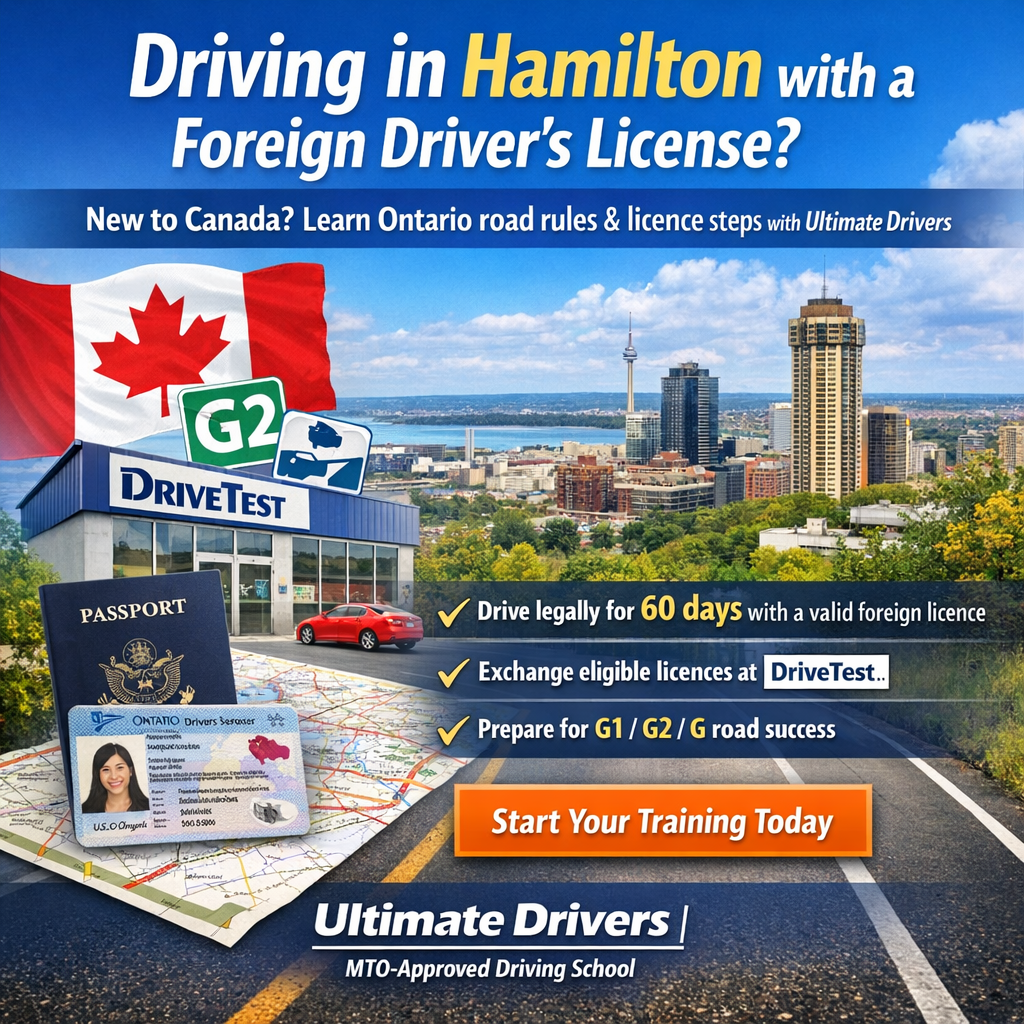
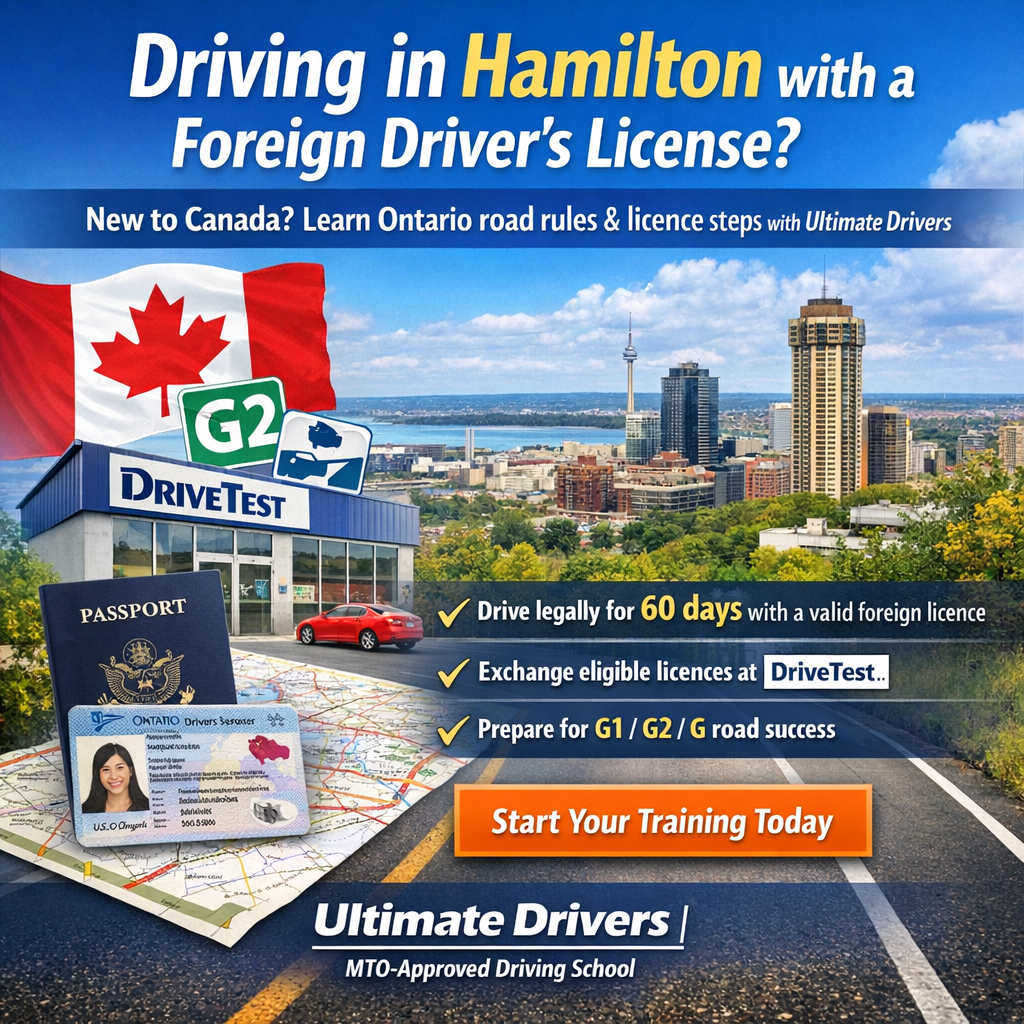
Yes — but only for a limited time. Ontario allows newcomers to drive using a valid foreign driver’s license for up to 60 days from the date they become an Ontario resident. This applies to tourists, international students, temporary workers, and new permanent residents alike. After 60 days, you are legally required to obtain an Ontario driver’s license to continue driving.
It’s important to note that your foreign license must be valid and not expired. If it is written in a language other than English or French, carrying a certified translation or an International Driving Permit (IDP) alongside it is strongly recommended.
Getting Your Ontario Driver’s License
Ontario uses a Graduated Licensing System (GLS) with two stages (G1 and G2) before a full G license is issued. However, if you hold a valid foreign license, you may be eligible to skip certain steps or tests depending on your home country. Some countries have reciprocal agreements with Ontario, including:
• United States
• Austria
• Belgium
• France
• Germany
• Japan
• South Korea
• Switzerland
• Taiwan
• United Kingdom
If your country is on this list, you may only need to pass a vision test and pay the applicable fees to receive your Ontario G license directly. Visit a DriveTest centre in Hamilton — located at 1579 Upper James Street — to begin the process.
Key Road Rules in Hamilton to Know
Hamilton follows Ontario’s Highway Traffic Act. Here are some essential rules to keep in mind:
• Speed limits: Default is 50 km/h in urban areas, 80 km/h on rural roads, and up to 100–110 km/h on highways like the 403 and the LINC.
• Seatbelts: Mandatory for all passengers at all times.
• Distracted driving: Handheld device use while driving is prohibited and carries heavy fines.
• Winter tires: Not legally required in Ontario, but strongly advised given Hamilton’s winters.
• Red lights: Right turns on red are permitted after a full stop, unless a sign says otherwise.
• Blood alcohol limit: 0.08% BAC is the legal limit; zero tolerance applies for new drivers.
Insurance: A Must-Have
Driving without valid auto insurance in Ontario is illegal. As a newcomer, securing insurance can be challenging since you may lack a Canadian driving history. Be upfront with insurers about your foreign driving experience, and ask if they accept foreign driving records. Some companies specialize in coverage for new Canadians and may offer more competitive rates.
Getting Comfortable on Hamilton’s Roads
Hamilton is a mid-sized city with a mix of urban streets, mountain access roads (known locally as “climax” routes up the Niagara Escarpment), and suburban sprawl. Key routes include the Red Hill Valley Parkway, the Lincoln M. Alexander Parkway, and Highway 403. Traffic is generally lighter than in Toronto, but rush hours on major arteries can be busy.
Driving in Hamilton as a newcomer is entirely manageable with the right preparation. Respect local laws, secure proper insurance, and convert your foreign license within the permitted window. Safe travels — and welcome to the Steel City!


 Buy Gift Card
 Review


