
Driving in winter can be unpredictable, especially when roads are covered with ice. One of the most dangerous moments behind the wheel is when a car begins to skid. While skids can happen quickly and unexpectedly, the right response can help you regain control and prevent an accident. Here’s a clear and practical guide on what to do when your car skids on icy roads.
by Ultimate Drivers | 28 November 2025
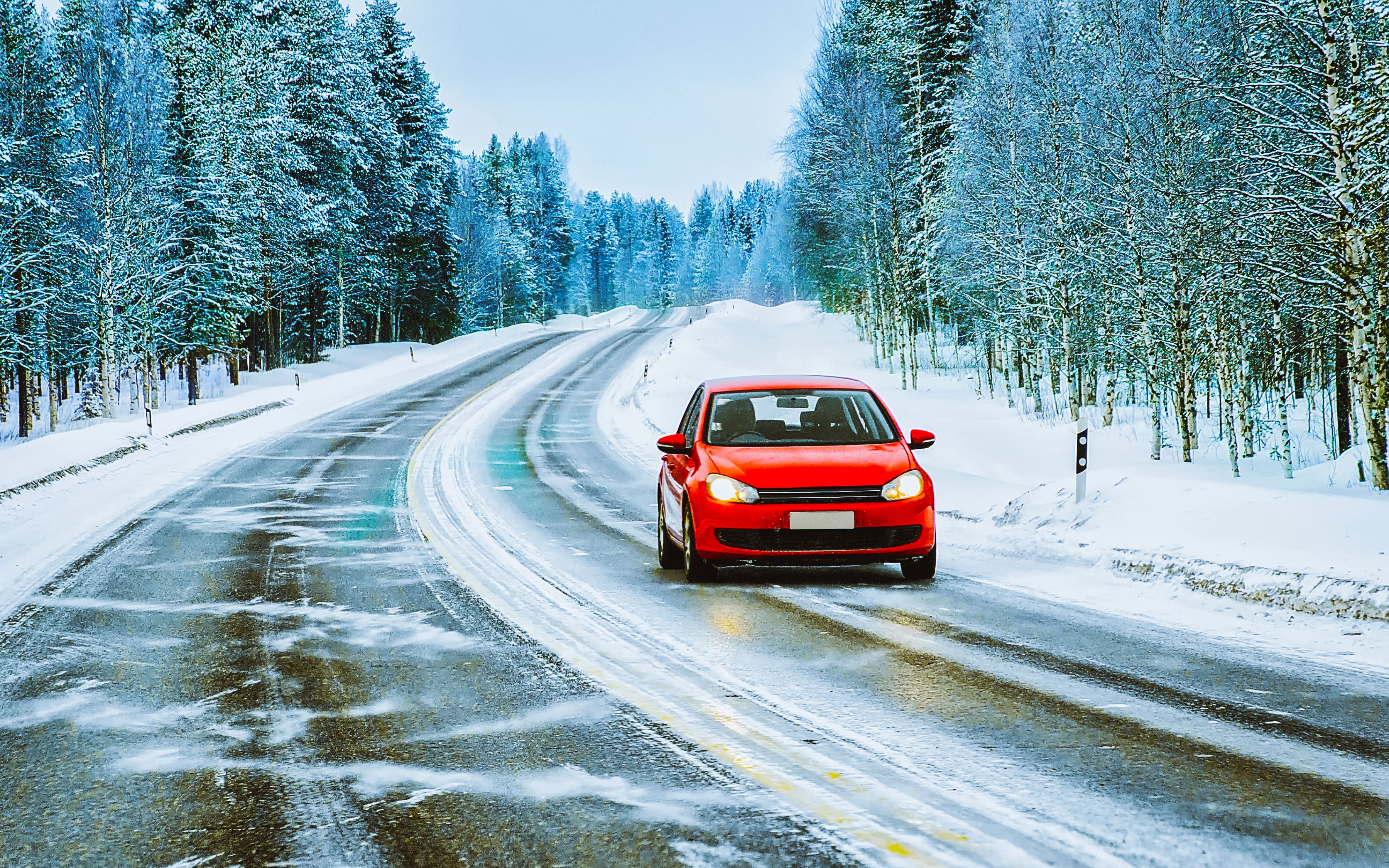
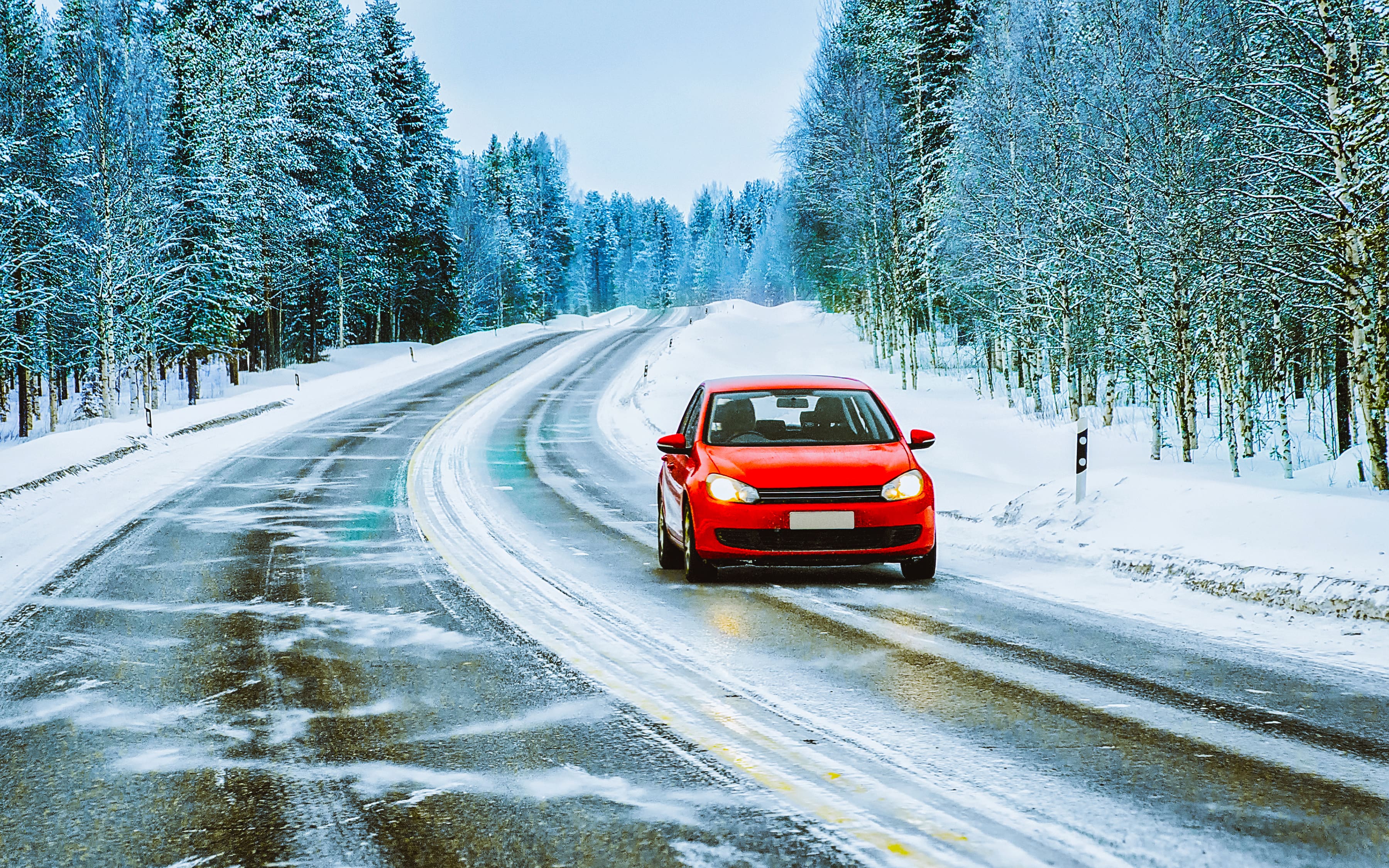
Driving in winter can be unpredictable, especially when roads are covered with ice. One of the most dangerous moments behind the wheel is when a car begins to skid. While skids can happen quickly and unexpectedly, the right response can help you regain control and prevent an accident. Here’s a clear and practical guide on what to do when your car skids on icy roads.
🚗 Why Cars Skid on Ice
Ice reduces tire traction significantly, making steering, braking, and acceleration less effective. Skids often occur due to:
Sudden braking or accelerating
Sharp steering movements
Driving too fast for the road conditions
Hitting black ice (invisible thin ice on the road surface)
❄️ Types of Skids and How to Respond
1. Front-Wheel Skid (Understeer)
Symptoms: The car continues straight even when you turn the steering wheel.
How to Correct It:
Ease off the accelerator.
Do NOT brake hard.
Gently steer towards your intended path.
If you need to slow down more, gently pump the brakes (unless your car has ABS).
2. Rear-Wheel Skid (Oversteer)
Symptoms: The back of the car slides sideways.
How to Correct It:
Take your foot off the accelerator immediately.
Steer in the direction of the skid:
If the back slides right → gently steer right.
If the back slides left → gently steer left.
Once the car straightens, steer back to your normal direction.
🛑 Braking Safely on Ice
|
Car Type |
|
What You Should Do |
|
With ABS (Anti-lock Braking System) |
|
Press the brake pedal firmly and steadily. Don’t pump the brakes. |
|
Without ABS |
|
Pump the brakes gently to prevent the wheels from locking. |
A vibrating brake
pedal in an ABS-equipped car is normal—it means the system is
working.
👀 Focus Is Everything
Your eyes guide your hands. Always look where you want the car to go, not at the obstacle you’re trying to avoid. This prevents oversteering and helps you stay in control.
🧠 Tips to Prevent Skids Before They Happen
Drive slowly and smoothly.
Increase following distance to 6–10 seconds.
Avoid sudden braking, accelerating, or turning.
Use winter tires for better traction.
Be extra cautious on bridges, shaded areas, and intersections—these freeze first.
Keep your hands at 9 and 3 o’clock on the steering wheel for better control.
⚠️ If You Start Spinning
When control is completely lost:
Keep the steering wheel straight.
Shift to neutral (automatic) or press the clutch (manual).
Let the car slow down naturally.
Once traction returns, gently regain control.
🧯 Emergency Preparedness
Always keep these in your car during winter:
Ice scraper and shovel
Sand, kitty litter, or road salt for traction
Blanket and flashlight
Fully charged phone
Emergency reflective triangles
🧾 Final Thoughts
A skid can be frightening—but staying calm and responding correctly can make all the difference. Remember: gentle actions and steady focus are your strongest tools on icy roads. Adjust your driving style to winter conditions, and always prioritize safety over speed.
Drive smart. Drive safe. Winter roads demand respect.
Latest Blog
Is Advanced Driver Training Worth the Investment?
by Ultimate Drivers | 26 September 2026
Passing your road test and getting a licence proves you can drive. It doesn't prove you can handle the moments that actually put drivers at risk — a tire that drifts onto a gravel shoulder, a vehicle suddenly coming at you head-on, or a patch of black ice that turns a normal stop into a skid. That's the gap advanced driver training is designed to close, and it's why newer (and experienced) drivers are asking whether it's worth the extra time and cost. Here's an honest look at the value, and how Ultimate Drivers built a program specifically to deliver it.
 Buy Gift Card
 Review


